
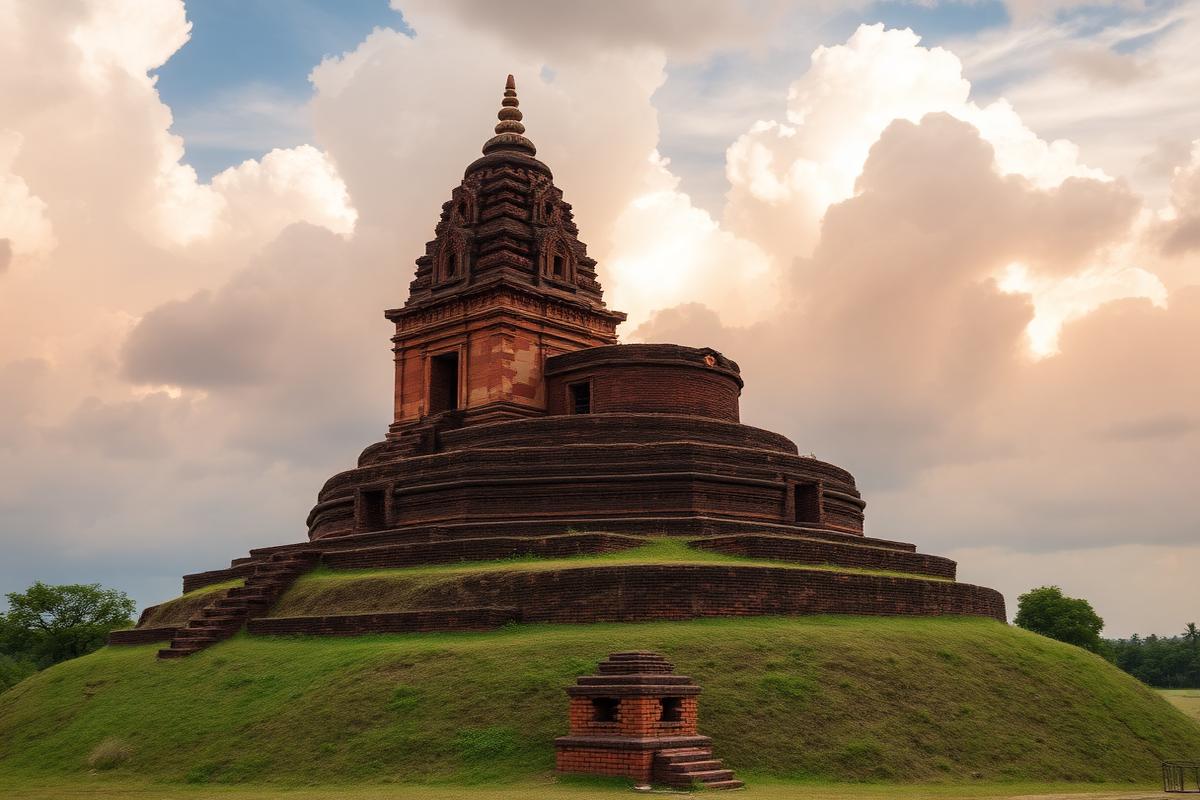
Mahasthangarh Citadel
The fortified heart of ancient Pundranagara — ramparts, temples and a museum of remarkable finds, 12 km north of the city.
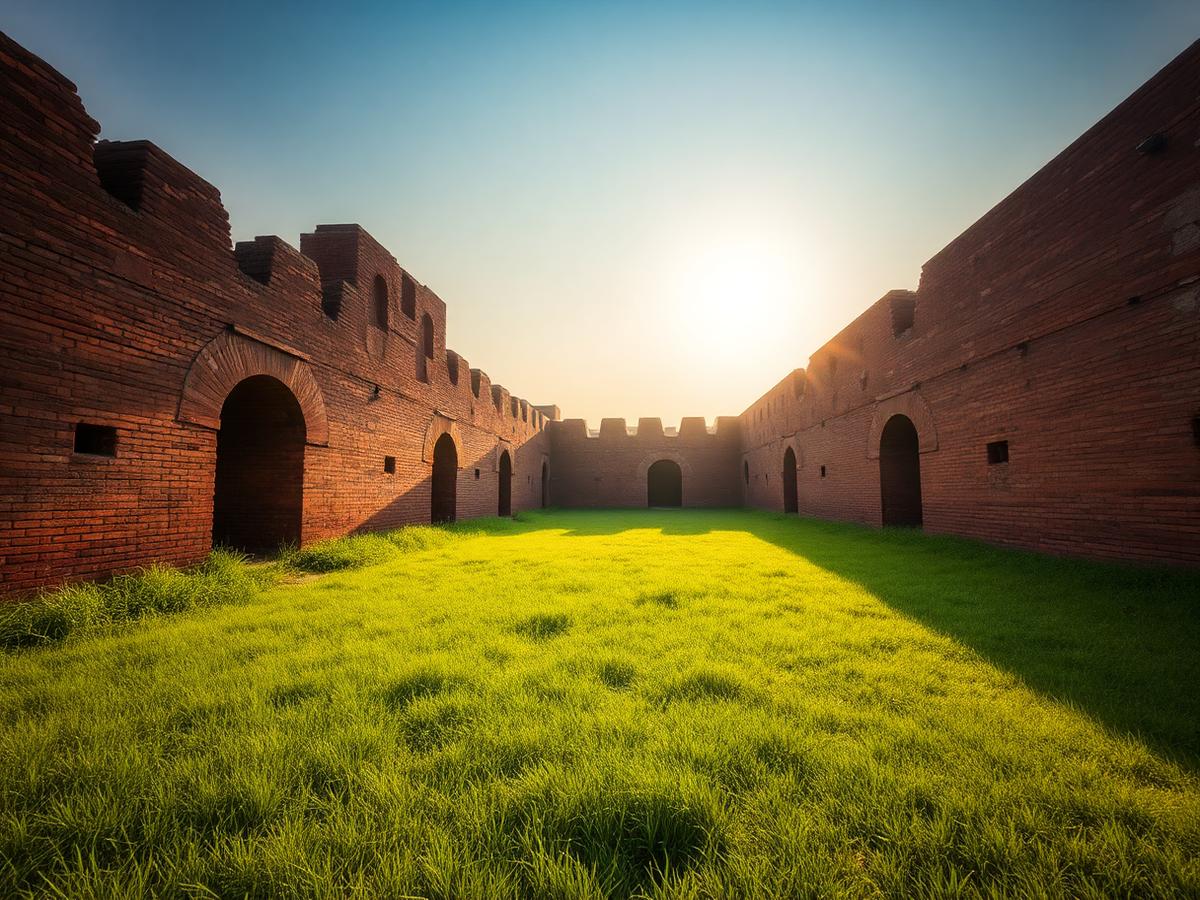
Heritage
Bogura guards the ruins of Pundranagara — the oldest known city in Bangladesh — and a heritage that spans empires, faiths and legends.
Timeline
A brief walk through the ages of Bogura.
3rd Century BCE
The Mauryan empire establishes Pundranagara — capital of Pundravardhana — on the banks of the Korotoa. The Mahasthan Brahmi inscription, Bangladesh's oldest written record, dates from this era.
4th–8th Century CE
Buddhist monasteries flourish. Vasu Vihara becomes a renowned centre of learning, visited by the Chinese traveller Xuanzang in the 7th century.
12th–15th Century
The legend of Behula and Lakhindar becomes woven into Gokul Medh. Sufi saint Shah Sultan Balkhi Mahisawar arrives, and Mahasthan becomes a site of pilgrimage.
19th–20th Century
Bogura town grows as a district headquarters. Nawab Abdus Sobhan Chowdhury's palace, schools and civic institutions shape the modern city.
Today
Mahasthangarh is on UNESCO's tentative World Heritage list. Archaeologists still uncover new layers of the city every season.
Must-See Sites
The fortified heart of ancient Pundranagara — ramparts, temples and a museum of remarkable finds, 12 km north of the city.
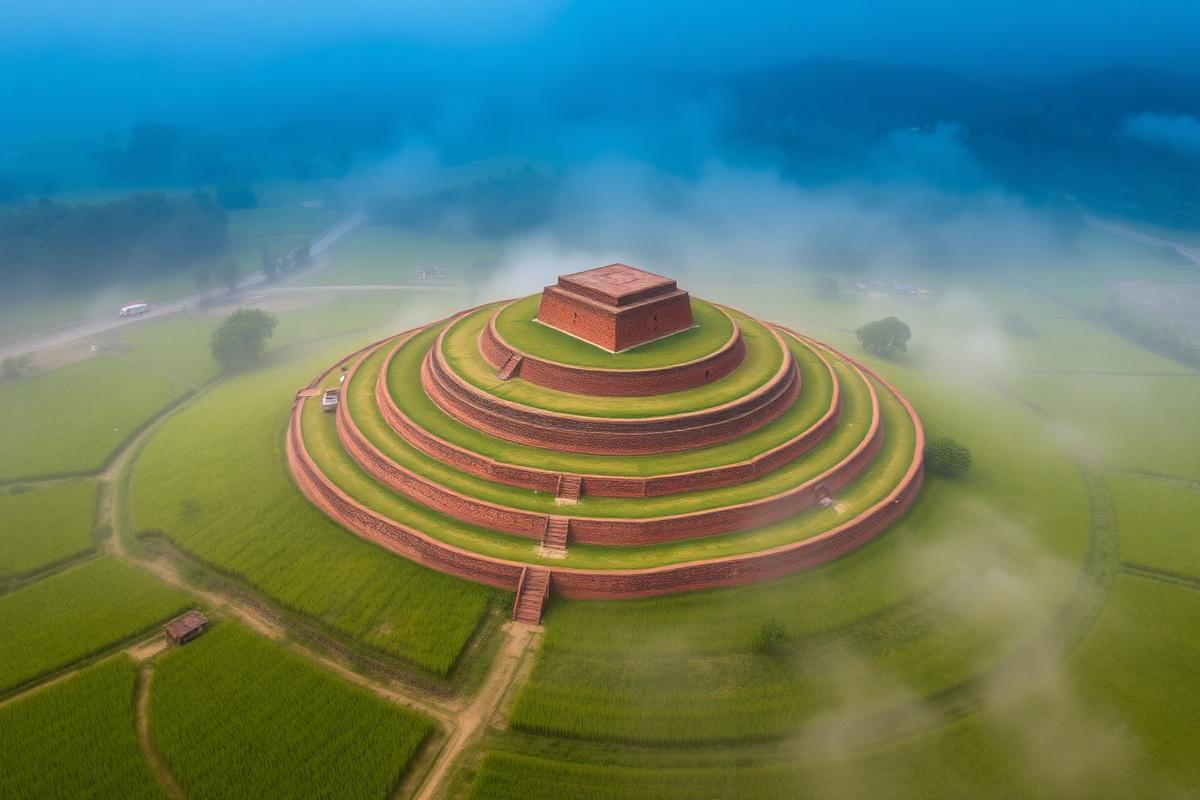
A dramatic terraced mound of 172 cells, popularly known as Behular Bashor Ghar, tied to Bengal's most beloved folk legend.
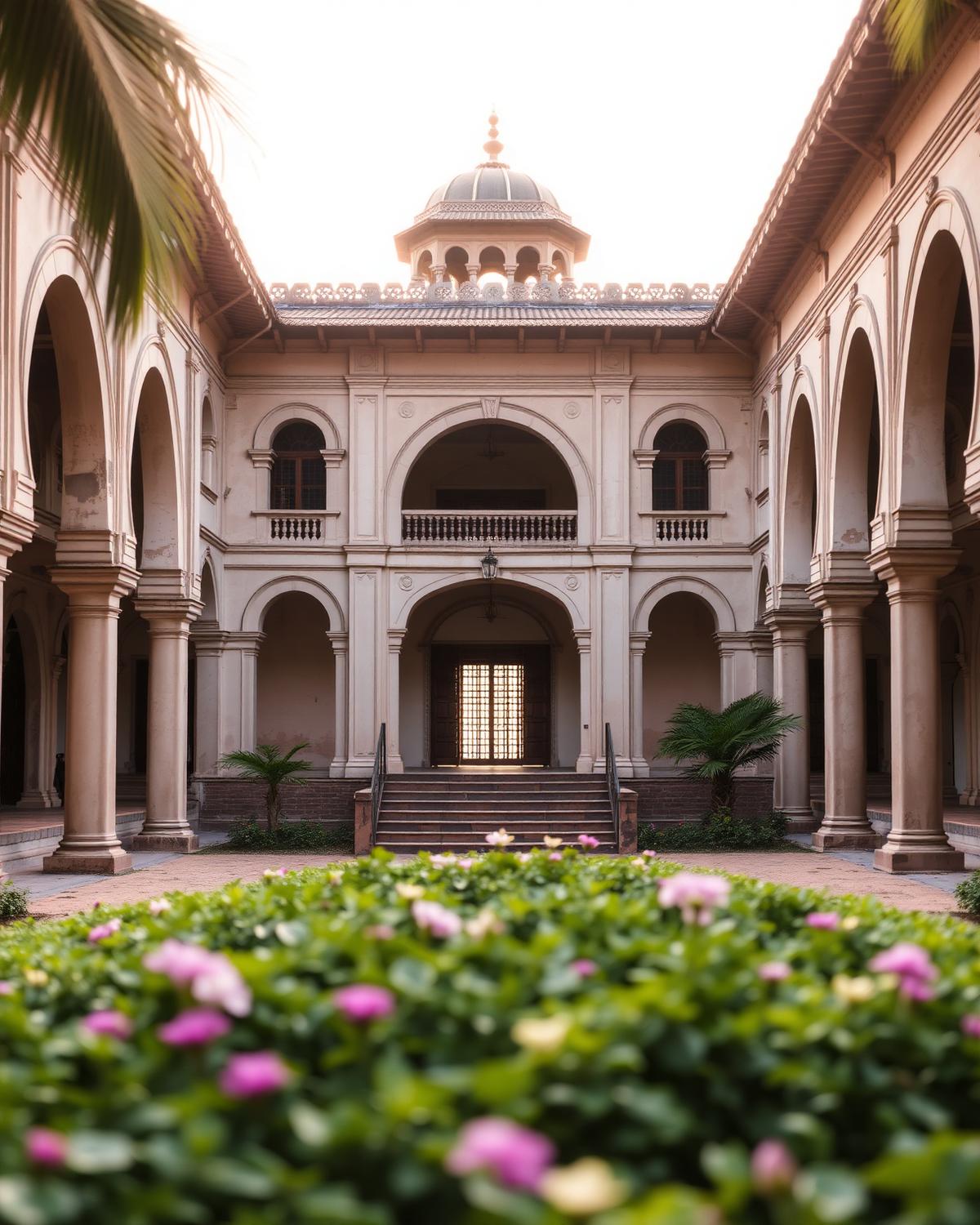
The 19th-century residence of the Nawabs of Bogura, a graceful reminder of the town's colonial-era prominence.
Stay Connected
A monthly letter — new stories, upcoming events and hidden corners of the city.